Unconventional Dating Apps Gain Ground in the Australian Market
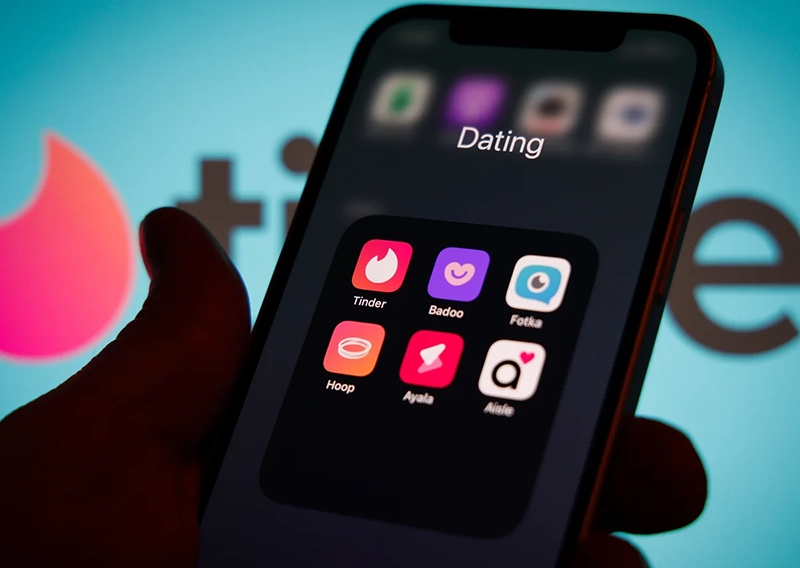
Australian singles are downloading dating applications that break from established patterns. Platforms focused on shared activities, specific demographics, and alternative matching methods are attracting users who find mainstream options inadequate. The Australian online dating market, valued at $112 million in 2023, now accommodates applications that organize hiking groups, match people based on music taste, and connect users through video-first interactions.
Market Numbers Tell a Different Story
Tinder's weekly revenue in Australia ranged from $1.2 million to $844,000 during the first quarter of 2025, while Hinge peaked at $410,000 in February. Bumble reached $346,000 in March. These figures represent established platforms, yet the market continues expanding to reach a projected $179 million by 2029. The growth rate of 8.01% annually creates room for newer platforms that approach matchmaking differently.
Nearly half of Australians aged 18 to 49 use dating applications. This statistic encompasses users across multiple platforms, many of whom maintain profiles on both mainstream and specialized applications simultaneously. The projected user base will reach 3.4 million by 2029, with the total market hitting $54.48 million in 2025.
When Connection Preferences Challenge Convention
Australian dating app users are moving beyond traditional matchmaking formats to platforms that accommodate specific relationship dynamics. Apps catering to age-gap relationships, lifestyle-based connections, arrangements now sit alongside hobby-focused and personality-driven platforms in app stores. This expansion represents a practical response to varied user needs rather than a fundamental change in dating culture.
The growth in specialized platforms corresponds with Australia's projected online dating market value of $179 million by 2029. Users gravitate toward apps that match their particular circumstances, from platforms for single parents and professionals to those focused on specific cultural backgrounds or relationship structures. These apps function as sorting mechanisms that help users find compatible matches based on predetermined criteria rather than random encounters.
Event-Based Platforms Replace Swiping
Applications that arrange physical meetups before online conversations gain traction among users tired of endless messaging. These platforms schedule cooking classes, book clubs, and outdoor activities where singles meet in groups. The format removes pressure from one-on-one first dates while allowing participants to assess compatibility through shared activities. Some applications require users to commit to attending events before viewing other attendees' profiles, reversing the typical selection process.
Weekly downloads for established apps like Hinge fluctuate between 13,000 and 15,000, while Bumble maintains 8,700 to 10,100. New event-focused platforms capture smaller but engaged user bases who pay higher subscription fees for curated experiences.
Artificial Intelligence Changes Matching Parameters
Dating applications implement AI systems that analyze conversation patterns, profile interactions, and user feedback to refine matches. These systems move beyond basic preference filters to identify compatibility indicators users might overlook. Some platforms use AI to verify profile authenticity, reducing catfishing incidents. Others employ machine learning to suggest conversation starters based on shared interests identified through profile analysis.
The technology serves practical purposes rather than revolutionary ones. AI helps users save time by filtering incompatible matches earlier in the process. Safety features powered by AI scan messages for harassment or inappropriate content, addressing longstanding user concerns about platform security.
Fatigue Drives Platform Innovation
Dating app burnout affects users who spend months swiping without forming meaningful connections. This exhaustion pushes developers to create alternatives that limit daily matches, require detailed profile completion, or implement waiting periods between connections. Some applications restrict messaging windows to prevent conversation overload. Others eliminate profile photos until users exchange several messages, forcing focus on written communication.
These design choices respond to user complaints about superficial interactions and choice paralysis. Applications that limit options report higher user satisfaction rates, though their overall user numbers remain smaller than mainstream platforms. The trade-off between quantity and quality defines this market segment.
Geographic and Demographic Specialization
Regional dating applications focus on specific Australian cities or rural areas where mainstream platforms underserve users. Rural-focused apps account for distance between users and include features like video dating to compensate for geographic separation. City-specific platforms leverage local knowledge, suggesting date locations and organizing neighborhood events.
Age-specific platforms separate user pools to address different dating priorities. Applications for users over 50 emphasize profile completeness and remove features like super-likes that younger demographics prefer. Platforms for users under 30 incorporate social media elements and group chat functions that older users find unnecessary.
Revenue Models Beyond Subscriptions
Unconventional dating applications experiment with payment structures that differ from monthly subscription models. Pay-per-match systems charge users only when mutual interest occurs. Event-based platforms bundle dating access with activity fees. Some applications offer free basic access but charge for AI-powered compatibility reports or professional profile reviews.
These varied revenue approaches allow platforms to attract users hesitant about monthly commitments. Applications report that users who pay per feature rather than through subscriptions engage more actively with matches, though lifetime user value remains lower than subscription-based models.
Australian dating application users demonstrate willingness to try platforms that diverge from established formats. The market supports both mass-market applications and specialized platforms serving particular user segments. As the industry approaches its projected $179 million valuation by 2029, space exists for applications that solve specific user problems rather than attempting universal appeal. Success depends on addressing genuine user frustrations rather than creating features for their own sake.
|