Accessible Travel in Australia: Laws, Transport, and Practical Planning
Planning a trip across Australia with a disability takes more than browsing glossy tourism websites. I've learned that the smoothest journeys come from understanding the exact rules, measurements, and booking processes that frontline staff actually use.
With 5.5 million Australians (21.4% of the population) reporting disability in 2022 according to the Australian Bureau of Statistics, accessible travel in Australia has never been more relevant or achievable.
Plan flights, public transport, road trips, accommodation, beaches, and parks using precise steps that reflect how services actually operate. Rely on concrete measurements, lead times, and checklists to minimise surprises and to advocate effectively when plans change.
Understanding Your Rights Under Australian Law
Knowing your legal protections lets you challenge barriers instead of quietly working around them. Australia's Disability Discrimination Act 1992 (DDA) makes it unlawful to discriminate based on disability in services, accommodation, and transport. Providers must make reasonable adjustments unless doing so would cause unjustifiable hardship, such as serious safety or technical problems.
Reasonable adjustments can include ramp access, alternative formats for information, boarding assistance, or flexible seating where technically feasible. If a service can't accommodate you because of genuine safety or technical constraints, staff should explain the specific limitation, consider alternatives, and document their decision.
Assistance Animal Rights
Assistance animals are legally protected under the DDA. Providers can't lawfully refuse an assistance animal that is trained to assist a person with disability and that meets hygiene and behaviour requirements.
If you're refused, ask for the relevant policy and the specific reason on the spot, note staff names and times, and request a manager. Document everything and escalate to your state or territory anti-discrimination body or the Australian Human Rights Commission if needed.
Key Terms You'll Encounter
Several national programs and facility types can make travel significantly easier once you understand them. Changing Places are adult-change facilities that meet a national design standard, with hoists, adult-sized change tables, and generous circulation space, and over 300 exist nationwide. MLAK (Master Locksmiths Access Key) unlocks certain accessible facilities after hours, including some toilets and lifts, and the key costs $64 from July 2025.
The Australian Disability Parking Scheme (ADPS) provides nationally recognised permits with consistent minimum concessions, though you should still check local signage for time limits and loading zones.
A Three-Phase Planning Workflow That Prevents Surprises
Accessible travel in Australia works best when you follow a predictable rhythm of verification, booking, and confirmation. Use a three-phase approach: 30-60 days out for shortlisting, 14 days out for locking in assistance, and 72-24 hours out for final checks.
30-60 Days Out: Shortlist and Verify
Request measurements, not adjectives. Ask operators for door clear openings (aim for at least 850 mm), shower type (roll-in versus hob), bed height and under-bed clearance for hoists, and step-free routes from parking. Cross-check nearby facilities using the National Public Toilet Map, which lists over 23,000 facilities and lets you filter for accessible toilets and adult-change options.
14 Days Out: Lock In Assistance
Airlines such as Qantas request wheelchair assistance at least 48 hours before departure and need your mobility-aid dimensions and battery details. Document your device specifications once, including make, model, dimensions, weight, battery type, and watt-hours, then reuse this information across all transport forms. If you're travelling through Melbourne, pre-book Travellers Aid for personal care, mobility hire, or companion assistance at Flinders Street and Southern Cross stations.
72-24 Hours Out: Final Checks
Download offline maps and save operator pages that show station lift status. Pre-book Wheelchair Accessible Taxis (WATs) where possible and build time buffers for late-night or weekend scarcity. Confirm Hidden Disabilities Sunflower lanyard pickup points at airports that recognise the program, including Sydney, Brisbane, and Melbourne, and note how to request support at check-in.
Air Travel: From Booking to Arrivals
Airlines need specific data to transport mobility aids safely. Knowing exactly what to provide prevents delays at the gate.
During booking, disclose assistance needs and provide device specifications including dimensions, weight, battery chemistry, and watt-hours, and include UN 38.3 test documentation for lithium batteries if it's available.

Packing for Protection
Label and bag detachable components such as headrests, joysticks, and cushions, and photograph your chair before hand-over. Carry tools, charger, user manual, and a printed handling card with clear do-not-tip warnings and lifting points. Pack slings and transfer aids in carry-on where possible so they stay with you if baggage is delayed.
Battery Rules and Cabin Procedures
Airlines typically allow one spare lithium battery up to 300 Wh or two spares up to 160 Wh each in carry-on, with terminals protected. Always verify your carrier's dangerous goods page. Ask about onboard aisle-chair availability and accessible toilet access, which varies by aircraft type and route.
If Your Aid Is Damaged
Document damage immediately with photos and video before leaving arrivals. File a Property Irregularity Report and request written acknowledgement. This documentation is essential for insurance claims, complaint escalation, and, if needed, referral to the aviation ombudsman being developed to replace the Airline Customer Advocate.
Public Transport That Works End-to-End
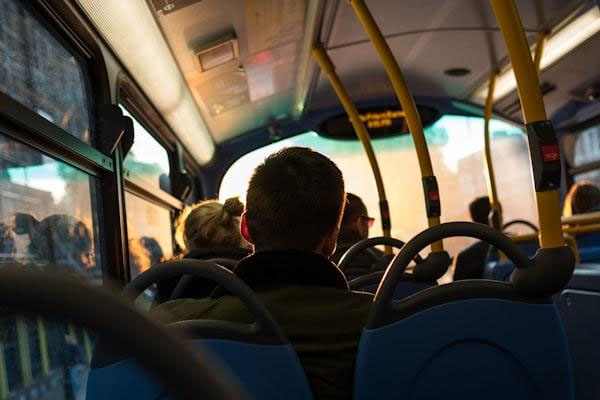
Public transport is much easier to use when you know the size and weight limits operators actually apply. Most Australian operators work to a mobility-aid envelope around 1300 mm length by 800 mm width, with combined user and device weight up to 300 kg. The Disability Standards for Accessible Public Transport set minimum requirements for trains, trams, buses, and ferries, and the Australian Government is progressing reforms following its November 2024 response.
Planning Around Disruptions
If lifts are out, request staff deployment of boarding devices or accessible alternative transport, and for rail-replacement buses, ask for accessible coach allocation. Note the time, staff names, and stop location for any issues. Use station signage, PA announcements, and apps for live updates.
- VIC: Public Transport Victoria accessibility hub and Travellers Aid at key stations
- NSW: Transport for NSW trip planner with accessibility filters and lift status pages
- QLD: Translink accessibility hub with live service alerts
Door-to-Door Options: Taxis and Rideshare
Pre-booking Wheelchair Accessible Taxis gives you the best chance of reliable pickup, especially around airport curfews or late arrivals. Request bookings early and ask dispatch to note ramp requirements and tie-down points. Build time buffers on weekends and at night when supply tightens.
State taxi subsidy schemes significantly reduce costs. NSW's Taxi Transport Subsidy Scheme and Queensland's Taxi Subsidy Scheme both require you to carry your card and keep receipts, and you should check interstate acceptance rules before travelling. Uber Assist operates in select cities with drivers trained to assist riders, but availability varies, so have backup WAT providers ready.
Driving and Road Trips: Routes, Gear, and Safe Loading
Self-drive holidays offer flexibility but require careful preparation for accessible stops and safe equipment handling. Use the National Public Toilet Map to string together accessible toilets and adult-change facilities along your route, especially on long regional stretches. Check council pages for beach access mats and chair hire on coastal legs, and confirm whether availability is seasonal or tied to patrol hours.
When planning vehicle setup for a road trip, think through how you'll load and unload your wheelchair, power chair or mobility scooter without unsafe lifting, and talk with your OT or equipment supplier about stable ramps, tie-down points and suitable vehicles so you can confidently assess gradients, parking space and transfer options before you consider heavy duty auto ramps to roll your device into a wagon, ute or camper while bridging small steps or kerbs and ensuring the ramp's weight rating, surface grip and length suit your combined user and device weight.
Safe Loading and Vehicle Setup
Use ramps with adequate weight ratings for your device and user combined, anti-slip surfaces, and side rails where possible. Verify ramp length to keep gradients within safe limits for your chair or scooter. For self-drive holidays or camper trips, stable, rated ramps reduce risky manual lifts, so consider heavy-duty auto ramps to bridge small steps or kerbs, and always confirm weight ratings and surface grip match your device and vehicle.
Secure mobility devices using rated straps and tie-downs to vehicle anchor points. Keep detachable parts and chargers in protective cases within reach. Carry spare fuses, charger, inner tubes if pneumatic, and a basic tool kit.

Accommodation: Verifying What Actually Works
A listing that says 'accessible' tells you almost nothing useful, so you need specific measurements confirmed in writing. Ask five questions most bookings miss: step-free route from parking, door widths at the narrowest point, shower type and seat availability, toilet clearance and grab-rail positions, and bed height with under-bed clearance for hoists.
Request photos with a measuring tape in frame and a simple floor plan. Get written confirmation of the exact room number. Reconfirm 48 hours before arrival to ensure you keep that room and any equipment you've requested, and pair the accommodation with nearby Changing Places, noting MLAK requirements for after-hours access.
Beaches, Parks, and Natural Attractions
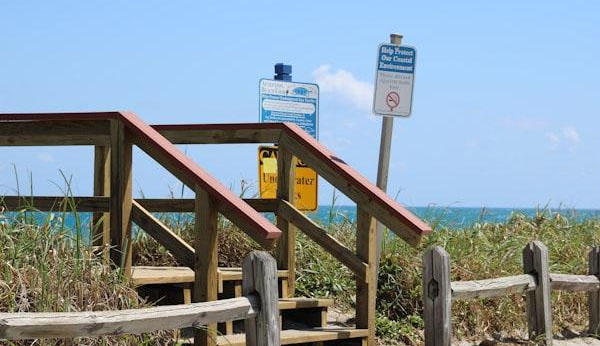
Councils increasingly provide beach access mats and free beach wheelchairs, but always check seasonal availability and booking processes. Use patrolled beaches within flagged zones, because beach wheelchairs are typically for assisted use only and aren't designed for surf entry. The NSW Central Coast, for example, lists multiple patrolled beaches with chair hire and seasonal matting at locations such as Terrigal and Umina.
Parks and Trails
Start with Grade 1 accessible walks and lookout platforms. Parks Victoria runs TrailRider bookings with volunteer sherpa support at selected parks. Tasmanian parks also offer TrailRider availability, so book early during peak months.
Assistance-dog access rules vary by state and park, so always confirm ahead and carry identification for your dog.
Essential Programs: Companion Card, MLAK, and Subsidies
Three programs dramatically improve accessible travel experiences across Australia. Companion Card provides a free companion ticket for eligible cardholders at participating venues nationwide, so check acceptance and book in advance where required. MLAK gives eligible users 24/7 access to certain locked accessible facilities including toilets, lifts, Changing Places, and Liberty Swings.
The National Public Toilet Map lets you filter for accessible and adult-change facilities and plan routes for long drives. Share these routes with your travel party so everyone knows the stops.
Communication and Emergencies
Save essential numbers before departure, including Triple Zero (000) for emergencies and 106 for TTY users. The National Relay Service offers Voice Relay via 1800 555 727 and SMS Relay via 0423 677 767. Install the Emergency+ app to transmit GPS coordinates to call-takers and keep your line open for verification.
Australian banknotes include tactile bumps by denomination, large numerals, and strong colour contrasts for easier identification. Contactless payments reduce handling difficulties at point of sale.
When Things Go Wrong: Escalation Paths
Knowing escalation procedures before you need them reduces stress during disruptions. For airline damage or refusal, document with photos before leaving arrivals, file a Property Irregularity Report, and escalate to customer relations citing the DDA and the carrier's special assistance policy.
For assistance animal refusals in taxis or rideshare, record time, location, vehicle or trip ID, and driver details. Lodge complaints with the platform and escalate to your state transport regulator and anti-discrimination body if issues remain unresolved. For public transport access interruptions, ask for boarding ramps or alternative accessible transport, noting names and times for follow-up.
Your Pre-Trip Checklist
Gather documents including your ADPS permit, Companion Card, MLAK, prescriptions with doctor's letters, device specifications, and insurer details. Install the National Public Toilet Map, Emergency+, airline apps, local transport apps, and taxi or rideshare apps. Save operator lift status pages as bookmarks and download offline maps for remote segments.
Make confirmation calls 48-24 hours before departure: airline special assistance, Travellers Aid bookings, WAT requests, council beach wheelchair booking, and accommodation reconfirmation with room number. On the day, collect lanyards if needed, keep battery disconnection instructions ready, and photograph your room on arrival to document promised features.
Australia's accessibility landscape continues improving through national standards, airline policies, and council programs. The best outcomes still rely on precise planning and documentation.
Make this workflow your default, keep your device and medical details handy, and share feedback with operators so future trips run more smoothly. Transparent measurements and training create better experiences for every traveller who follows.
|