The Best Ways to Connect With Fellow Travellers Before, During and After Your Australian Holiday
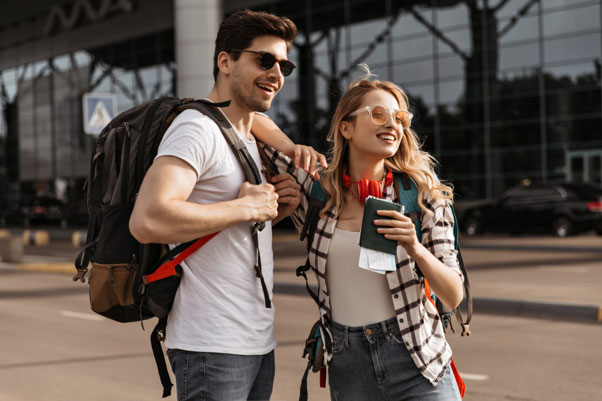
Travelling alone doesn't mean travelling lonely. Australia's vast distances and laid-back culture actually make it one of the easiest places on earth to meet people, whether you're backpacking the East Coast or road-tripping through the Outback. The trick is knowing where and how to look.
Why Connection Matters More Than Ever
Solo travel isn't a niche anymore. It's mainstream. Australia now ranks as the second-most popular destination for solo travellers in 2026, and the numbers back up why. Roughly two-thirds of solo travellers today are aged 18 to 30, which means hostels, beaches, and city hostels are packed with people in the exact same boat as you.
Here's the thing, though: showing up somewhere new with zero connections can feel intimidating at first. That's precisely why building a strategy for connecting with travellers Australia trips has become its own small art form.
Start Networking Before You Even Land
Australia travel networking doesn't start at the airport. It starts weeks, sometimes months, before departure. Facebook groups dedicated to specific routes (think "East Coast Backpackers" or "Solo Travellers Sydney to Cairns") are goldmines for finding people with matching dates and interests.
Reddit threads, WhatsApp chat groups tied to hostels, and even Couchsurfing's hangout feature let you scope out who else will be around. Ask questions. Share your rough itinerary. Someone will almost always reply with tips or, better yet, an invitation to team up.
Social Media: Still One of Your Best Tools
Instagram and TikTok aren't just for scrolling envy-inducing beach photos anymore. Location tags, travel hashtags, and Stories with "add yours" stickers turn social media into a genuine matchmaking tool for wandering strangers. Search a hashtag like #AustraliaBackpacker and you'll find dozens of people posting real-time updates from wherever you're headed next.
Facebook groups remain surprisingly powerful too, especially for practical logistics: splitting a rental car, finding a diving buddy in the Whitsundays, or simply asking "anyone free for dinner in Melbourne tonight?" It's unglamorous, but it works, and it works fast.
Talk Face-to-Face Before You Even Meet
Back-and-forth messaging only gets you so far. At some point, you want to actually see and hear the person. This is easy to do if you visit CallMeChat, where tens of thousands of different people gather. All Callmechat visitors are simply chatting, meaning there are those among them who can tell you the best places to go during your trip, where the best dinners are, the special atmosphere, hidden sights, and much more are useful. Locals and more experienced travelers are usually willing to share their experiences. Who knows, it will simply be a fascinating conversation, or maybe you'll find someone to share with on a new journey.
Find Local Travel Partners Once You've Landed
Once you're actually in Australia, the dynamic shifts. Now you're looking to find local travel partners in real time, not just online contacts. Hostel common rooms, communal kitchens, and pub crawls organised by your accommodation are still the classic, reliable methods.
Apps matter here too. Bumble BFF and Meetup both have active Australian communities, and many cities run free walking tours that double as informal social events. Say yes to things. The person pouring cereal next to you at 8am might be your travel partner for the next fortnight.
Join Active Backpacker Groups and Hostel Communities
Some networks are simply bigger and more reliable than others. Hostelworld's in-app social community now generates roughly 85% of its bookings, with about three million members actively engaging through the platform. That's not a small statistic. It shows how many travellers are actively using structured communities rather than relying on chance encounters alone.
Joining active backpacker groups before arrival means you land with a head start. Working holiday communities are another underrated resource. More than 170,000 Working Holiday Maker visa holders were in Australia as of mid-2024 alone, and many of them organise regular meetups in major cities.
Exchange Regional Advice as You Go
Nobody knows a region better than someone who just left it. Ask fellow travellers what to skip, what to book in advance, and which hostel actually has hot water. Exchange regional travel advice constantly, and don't be shy about it.
Group chats formed during a hostel stay often outlive the stay itself. People keep sharing tips for weeks, sometimes months, long after everyone's scattered across different states.
Arrange Physical Meetups Safely
Meeting online contacts in person requires a bit of common sense. Choose public spots first: a café, a beach, a hostel lounge. Tell someone else your plans, share your location if the app allows it, and trust your gut if something feels off.
Most meetups go completely fine, of course. Millions happen every year without incident. But a little caution costs nothing and protects a lot.
Build a Network That Lasts Beyond One Trip
The best solo traveler networks aren't built in a day. They grow trip by trip, conversation by conversation, until you've got contacts scattered across a dozen countries. Building solo traveler networks is really just about consistency: staying in touch, checking in occasionally, remembering names.
Small effort, repeated often, beats one big gesture every time.
Keep the Friendship Alive After You Fly Home
The hardest part isn't meeting people. It's staying close once everyone's back in their own time zones. Shared photo albums, group chats, and the occasional video call keep momentum going long after the trip ends.
Plan a reunion trip if you can. Even a loose promise to meet again "somewhere, someday" keeps the door open. Lifelong travel friendships rarely happen by accident; they happen because someone made the effort to keep talking after the goodbye hugs were over.
|